Therapist-Approved Bouncer Protocols for Healthy Development
By Kenji Sato • 29th Nov
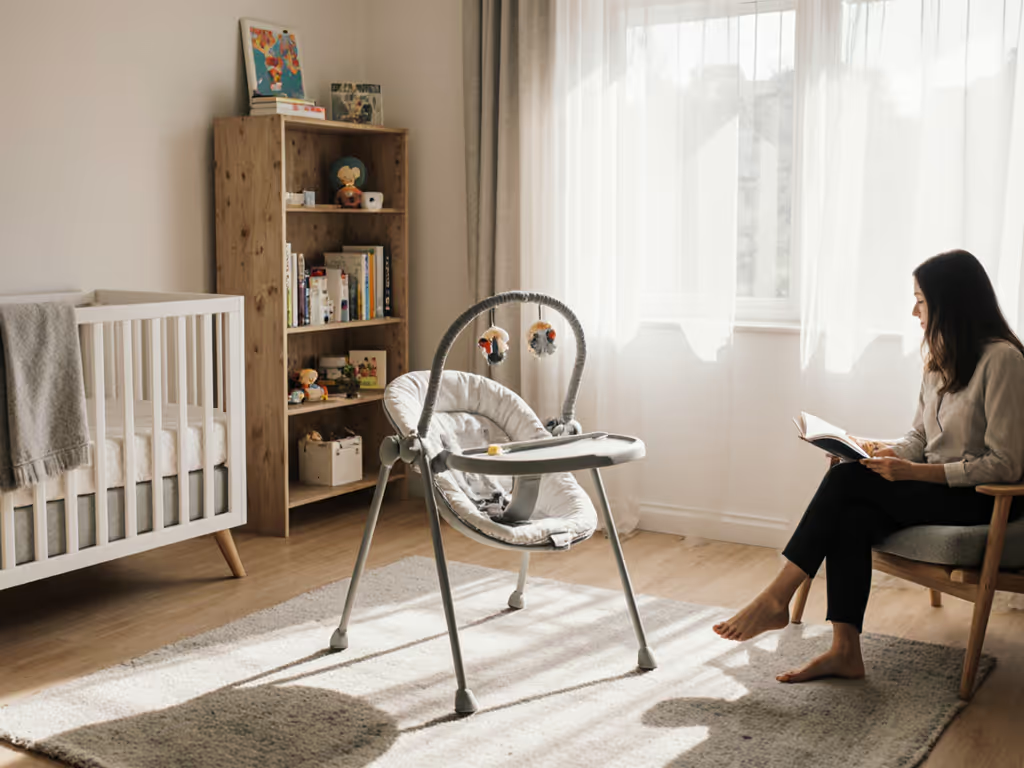
When your under-12-inch hallway depth forces a choice between your work chair and baby gear, therapist-approved bouncer use shifts from optional to essential. As an apartment dweller mapping every square inch of baby gear impact, I've learned that safety isn't just about certifications; it's about how the piece integrates into constrained adult spaces. Good design is quiet, easy to stash, and easy to wipe. After running tomato-sauce stain tests on swatches and measuring clearance around door swings, I've distilled physical therapy guidelines into actionable protocols for space-starved households. Because if it stores slim and wipes fast, it stays.
Why Physical Therapists Recommend Strategic Bouncer Use
Pediatric physical therapists warn that excessive container time correlates with developmental delays, particularly in motor skills and head symmetry. But for time-pressed caregivers needing brief hands-free moments, strategic bouncer use balances safety with sanity. Research confirms limiting sessions to 15 to 20 minutes prevents muscle strain while respecting your tiny footprint. For evidence-based session length and age guidance, see our pediatric-backed usage timeline. The key isn't elimination; it's precision.
1. The 15-Minute Floor Time Rule (Non-Negotiable)
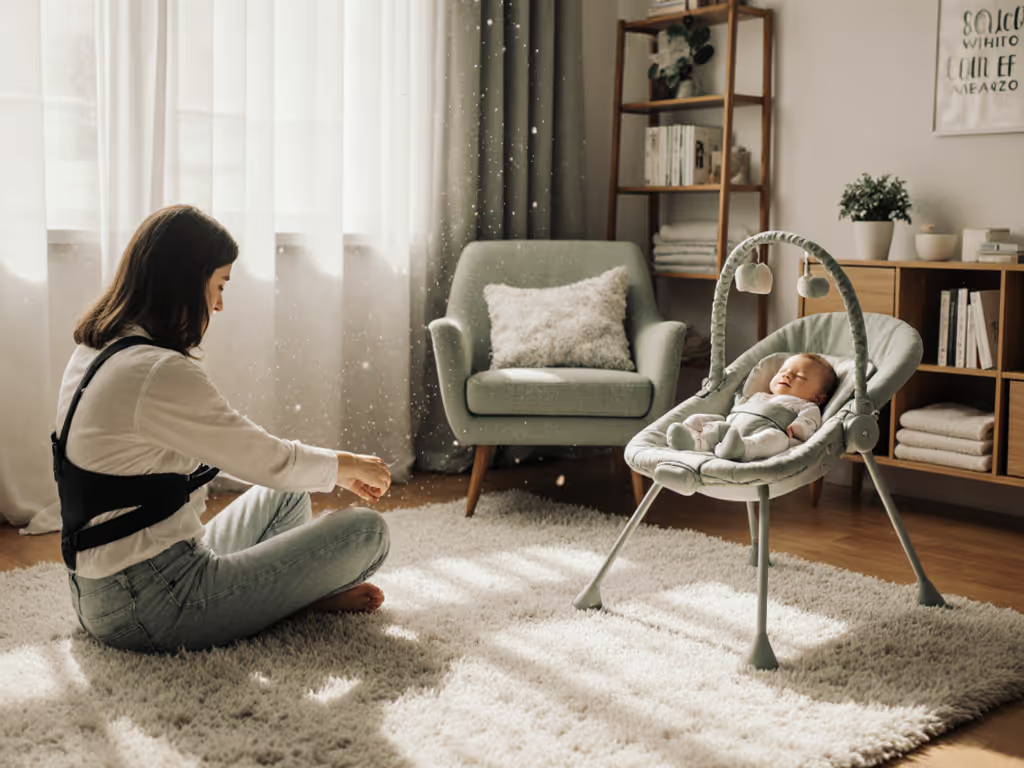
For every 10 minutes in a container, dedicate 20 minutes to floor play (especially in compact spaces where floor time often gets sacrificed). This isn't just PT advice; it's spatial math. A 30-square-foot nursery can't afford lost movement opportunities.
- Why it matters: Prolonged upright positioning in bouncers strains underdeveloped hips and spines. Studies link excessive use to "container baby syndrome," where babies miss crucial tummy-time muscle activation.
- Small-space fix: Set phone timers for both bouncer sessions and floor time. Use the bouncer's storage spot (e.g., under sofa) as your floor play zone, no extra footprint needed.
2. Zero-Compromise Head & Hip Positioning
Bouncers with rigid, upright seats force legs into unsafe extension, a major red flag from pediatric orthopedists. Instead, seek models where hips naturally nestle in a spread-squat position (knees higher than hips), protecting developing joints. Similarly, developmental specialist bouncer tips emphasize headroom: your baby's chin must never touch their chest, which restricts breathing and strains neck muscles. For step-by-step setups, use our proper bouncer positioning guide to protect head and hips.
- Measurement hack: Place a tennis ball behind baby's head. If it fits snugly without chin tucking, the recline is safe.
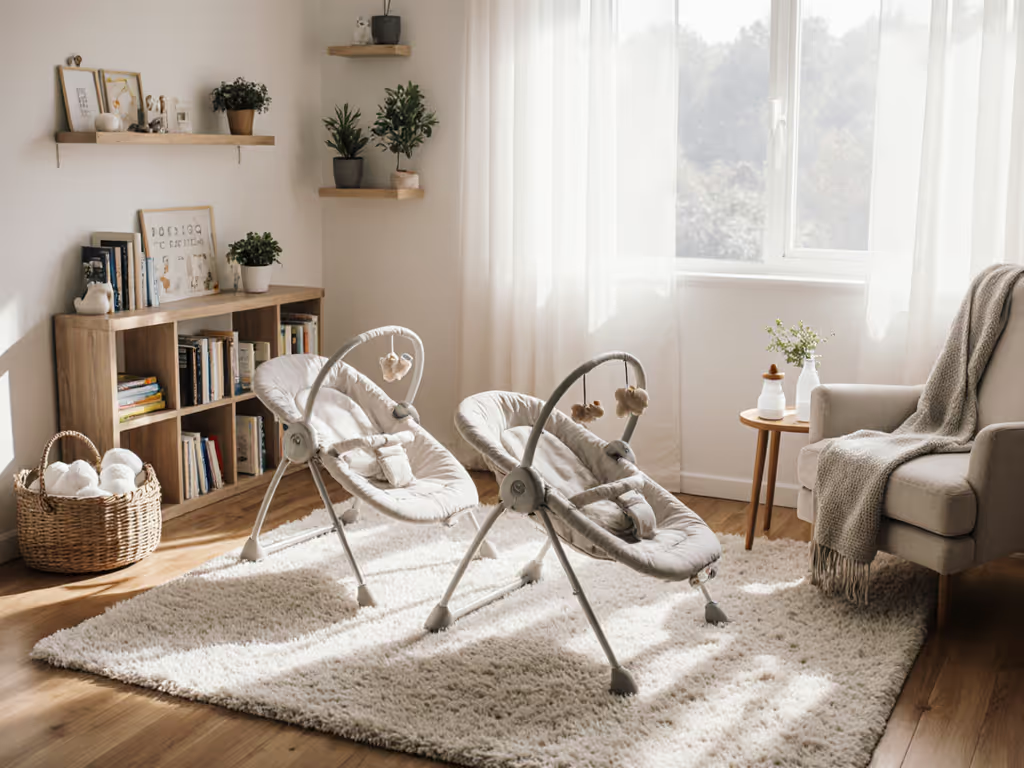
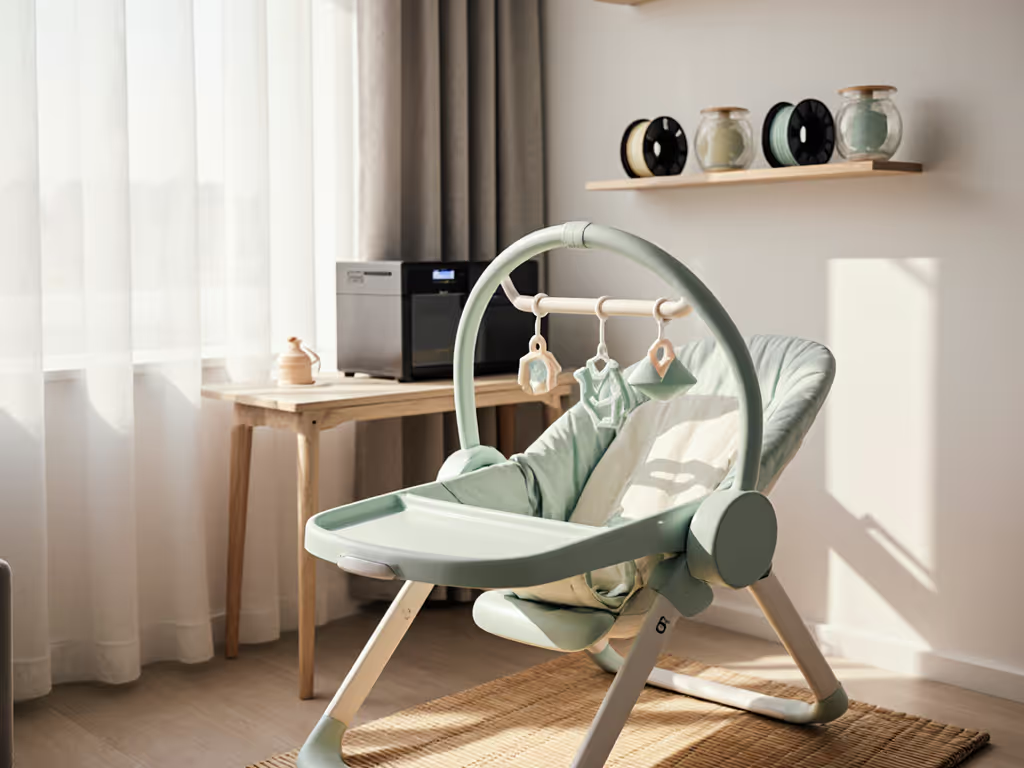
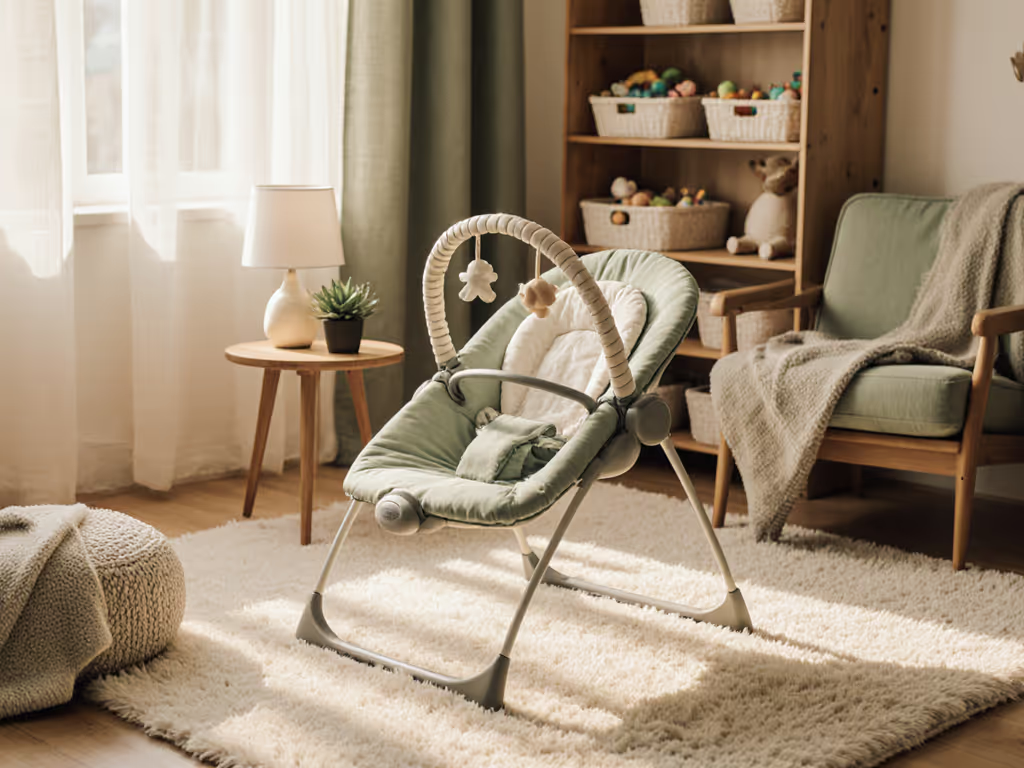
- Space saver: Fold-flat designs like the Ergobaby Evolve (which adjusts from newborn to toddler) eliminate the need for multiple bulky seats, which is critical when your storage maxes out at 12 inches deep.
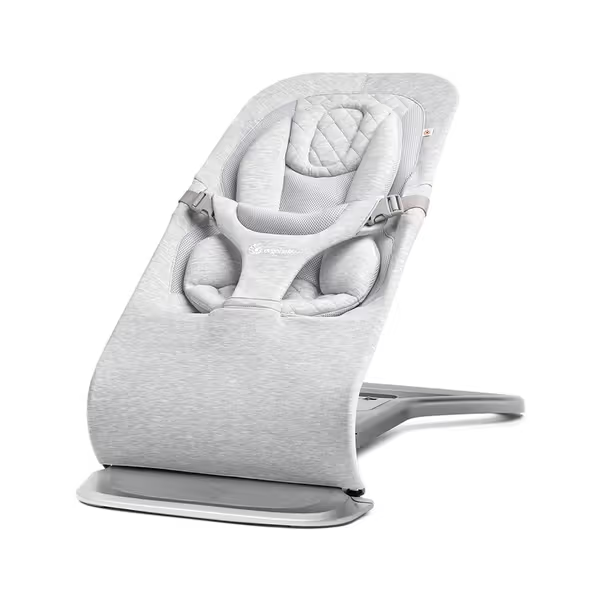
Ergobaby Evolve 3-in-1 Bouncer
Grows with baby, folds flat, offers ergonomic comfort and hands-free moments.
$199
Weight8.4 lbs (3.8 kg)
Weight8.4 lbs (3.8 kg)
Pros
3-in-1 design for newborn to toddler
Folds flat and lightweight for portability
Ergonomic support; machine washable cover
Cons
Higher price point
Customers love this bouncer seat, finding it comfortable, easy to assemble, and very easy to move from room to room.
Customers love this bouncer seat, finding it comfortable, easy to assemble, and very easy to move from room to room.
3. Self-Regulation > External Stimulation
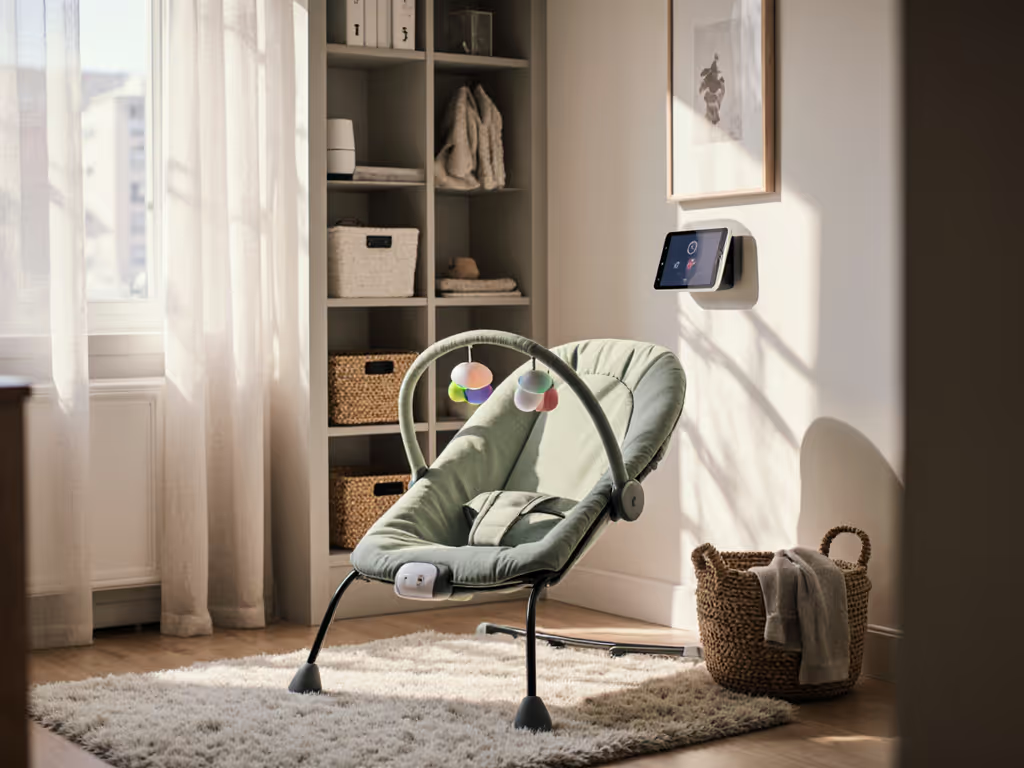
Motor development bouncer protocols explicitly reject audio modules and flashing toys. Why? Overstimulation disrupts natural self-soothing pathways. As one PT told me: "Infants need to control their own movement to build neural connections. A motorized bouncer replaces their agency with your playlist."
- Critical check: Can baby initiate rocking through limb movement alone? If not, skip it. Passive bouncing offers zero developmental benefit.
- Apartment adaptation: Matte-finish, neutral fabrics (like Ergobaby's machine-washable knit) reduce visual clutter while prioritizing cleanability (no toy bars to snag during quick hallway repositioning).
4. Storage Depth Dictates Daily Use
Here's the reality check your registry won't share: if it won't slide flat under your bed or behind your door, it won't get used safely. If storage depth is your constraint, learn what defines a foldable bouncer and which designs truly slide flat. Cumbersome gear leads to unsafe substitutions, like propping baby in a dining chair. Bouncer physical therapy guidelines implicitly address this: gear that fights your space invites misuse.
- The clearance test: Measure your stow-away zone first. If it's less than 4 inches deep (common under sofas), only consider fold-flat models. No exceptions.
5. Cleanability = Consistent Safety
Sticky, unwashable covers become hazard zones. Spills seep into crevices, breeding bacteria, and forcing you to skip safety checks during rushed cleanups. Pediatric PT bouncer recommendations prioritize hygiene because grimy gear compromises stability testing. Keep maintenance simple with our baby bouncer cleaning routine that fits small-space living.
- Fabric must-haves: Removable, machine-washable covers with no hidden seams. Test suction-cup feet on your actual floors (e.g., tile vs. hardwood). They must grip without scuffing. Remember: matte finishes hide wipe marks better than glossy ones.
6. Weight Distribution > Weight Limits
Manufacturer weight limits lie. To understand stability beyond labels, see our bouncer frame explained breakdown of frame types and safety. The real test? Stability on your slanted floors during baby's most active bounce. Placing a bouncer near radiators or vents causes uneven wear, which is common in older apartments.
- The lean test: Gently push the bouncer sideways from arm's length. If it slides or wobbles, it's unsafe, even for newborns. Look for low-center-of-gravity frames with non-marking feet (a bias I've earned testing in 400 sq. ft. studios).
Quiet Design Belongs in Every Space
Our hallway experiment taught me that therapist-approved bouncer use isn't about perfection, it is about designing around your constraints. When a bouncer slides silent behind a plant, wipes clean in 60 seconds, and respects developmental windows, it earns its square footage. You'll find I prefer removable covers, slim frames, and deep storage compatibility, not because they're trendy, but because they're necessary when your living room doubles as nursery, office, and kitchen.
Because amidst the noise of parenting advice, one truth remains: quiet design belongs. It doesn't shout for attention. It simply fits. And in apartments where every inch carries weight, that's the highest form of safety.