Multi-Story Bouncer Safety: Portable Setup Strategies
By Jonas Lee • 10th Dec
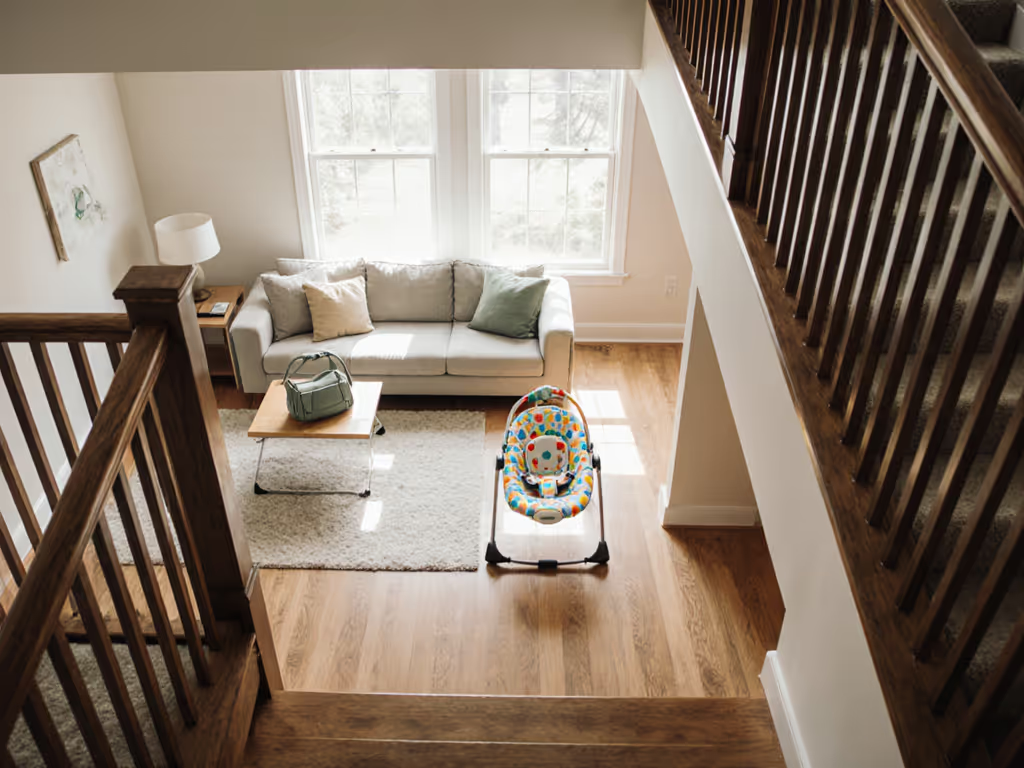
When living in multi-story homes, multi-story bouncer usage requires special consideration that most marketing materials overlook. The humble infant bouncer seat becomes a potential hazard when moving between floors without proper safety protocols (not because it's inherently dangerous, but because vertical living creates unique risks that contradict standard bouncer safety guidelines). Let's examine the reality behind portable bouncer claims and develop strategies that prioritize both convenience and safety.
Safety First: The Data Behind Vertical Bouncer Movement
Before considering portability, understand the non-negotiable safety parameters. According to CPSC data, between 2006-2016, 347 bouncer-related incidents were reported including 12 fatalities, nearly half stemming from falls when placed on elevated surfaces. The National Electronic Injury Surveillance System documented 874 incidents during a similar timeframe, with 485 specifically related to "infants falling while in bouncers or from bouncer seats placed in hazardous locations."
This isn't theoretical risk. For a complete overview of safe setup and supervision, see our baby bouncer safety guide. When you carry an infant bouncer seat between floors, you're creating situations where:
- One-handed carrying leads to unstable positioning
- Transition points (stairs, doorways) increase drop risk
- Fatigue during postpartum recovery impairs judgment
- "Just for a minute" becomes extended unsupervised time
Safe bouncer usage demands constant supervision, proper restraint use, and floor-level placement (conditions impossible to maintain during transport).
The False Promise of 'Portable' Bouncers
Marketing language touts "easy portability" as a feature, but rarely addresses the safety compromises this creates. When companies highlight "lightweight frame" or "fold-flat design" without emphasizing the critical safety limitations, they're selling convenience at the expense of responsible guidance.
Consider these reality checks:
- Weight claims are misleading: A "lightweight" 8-pound bouncer becomes unwieldy when carrying your baby simultaneously on stairs
- Compact storage notes don't address safety: Being "easy to tuck away" is irrelevant if you're violating the fundamental rule of floor-only placement
- Transport mechanisms create false confidence: Carry handles suggest safe movement with baby inside, yet every safety authority explicitly states you must remove baby before moving the unit
I've tracked dozens of secondhand listings where parents sold bouncers after realizing their "portable" design encouraged unsafe practices, moving baby between rooms while still seated. The resale value tanks when safety concerns become apparent.
Real Multi-Story Strategy: Safety-First Approach
Living vertically with a baby requires acknowledging that convenience must never override safety protocols. Rather than seeking that mythical "perfectly portable" bouncer, develop a strategy that works with safety requirements.
The One-Bouncer Rule
For homes with multiple floors, maintain one dedicated bouncer per level where baby spends significant time. If you're equipping multiple floors, consider these affordable CPSC-compliant bouncers under $75 to keep costs down without sacrificing safety. This eliminates the dangerous temptation to carry baby in the bouncer between floors. Consider this lifecycle calculus:
- Cost of two quality bouncers: $300
- Cost of medical bills from a fall: $10,000+
- Cost of anxiety from near-misses: Infinite
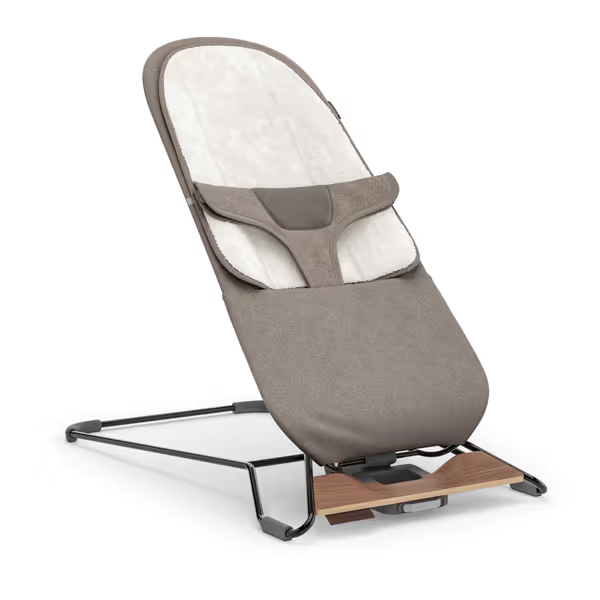
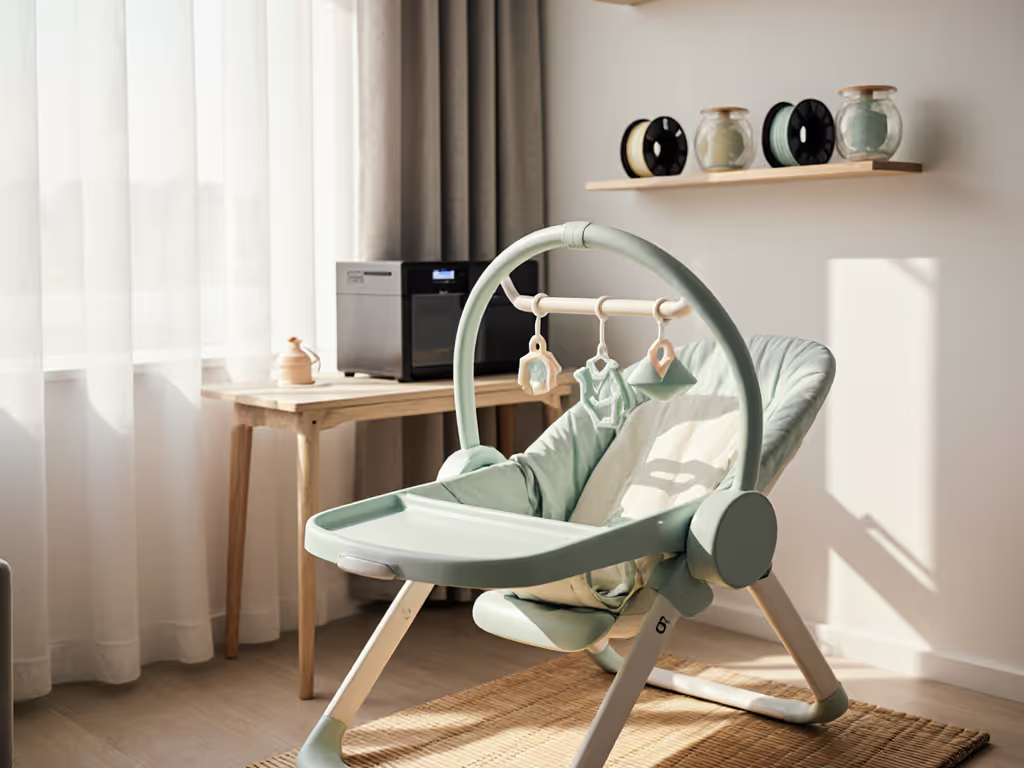
UPPAbaby Mira Bouncer
Space-Smart Soothing: Compact 2-in-1 bouncer grows with your baby.
$149.99
Weight CapacityUp to 29 lbs (toddler seat)
Weight CapacityUp to 29 lbs (toddler seat)
Pros
Folds flat for storage and easy portability
Grows from newborn bouncer to toddler seat
GREENGUARD Gold, JPMA & FSC Certified for safety
Machine-washable fabrics for quick cleanup
Cons
Durability reports are mixed among users
Customers find the bouncer to be a great baby seat that's easy to move around the house and folds up very small for storage. They appreciate its comfort, ease of use, and beautiful appearance, with one customer noting the cozy fleece insert.
Customers find the bouncer to be a great baby seat that's easy to move around the house and folds up very small for storage. They appreciate its comfort, ease of use, and beautiful appearance, with one customer noting the cozy fleece insert.
The UPPAbaby Mira's compact folded dimensions (28.5 x 16.3 x 24.5 inches) make it a practical option for secondary placement on an upper floor, assuming it remains stationary there. Its machine-washable fabrics address the frequent messes that occur in multi-level homes where quick cleanups between floors become challenging.
Strategic Placement Protocol
Implement these frictionless steps for safe multi-story bouncer usage: Need a refresher on ideal recline and strap fit? See our proper bouncer positioning tips.
- Ground floor placement: Near kitchen or living area where you prepare meals or work
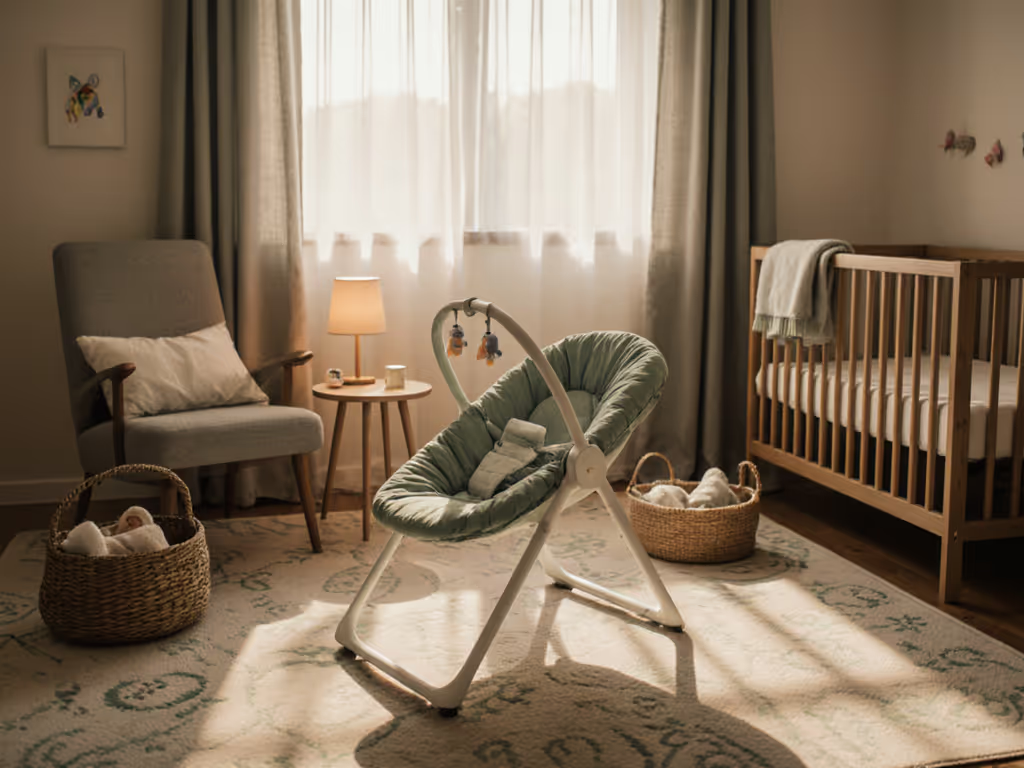
- Upper floor placement: In nursery or bedroom for dress changes or pre-nap routines
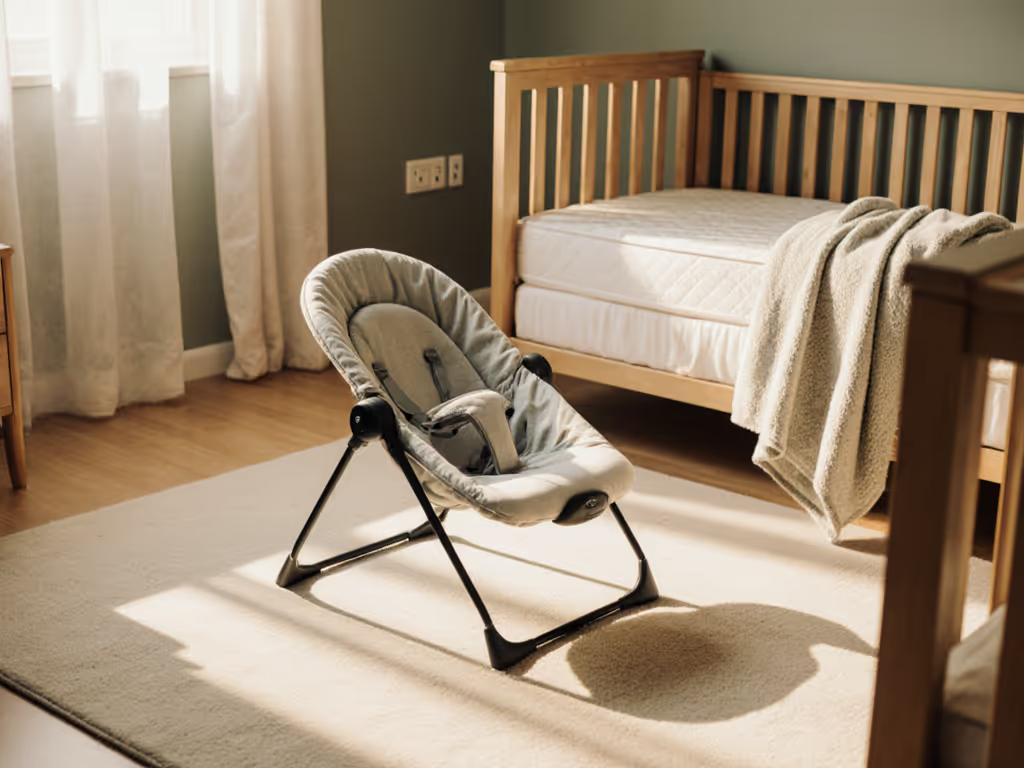
- Never transition: Treat each bouncer as a stationary unit (like a rocking chair)
- Consistent safety checks: Verify non-slip feet and harness function weekly
Lifecycle Considerations for Vertical Living
When evaluating bouncer options for multi-story homes, apply neutral adjectives to assess longevity beyond initial portability claims:
- Durability of folding mechanisms: How many cycles before stress fractures appear?
- Textile replacement options: Can you purchase new covers when stains accumulate from frequent use across multiple locations?
- Warranty terms: Does it cover damage from "accidental" drops during attempted transport?
The BabyBjörn Bouncer Balance Soft's 4.6-pound weight makes it technically "lightweight," but its true value lies in the reversible fabric seat that extends usability from newborn to toddler, addressing the "durability/age-range uncertainty" pain point that plagues vertical living.
Value Beyond the Staircase
Value lives in the long run, not in the convenience of moving a bouncer between floors. I've tracked dozens of bouncers through their complete lifecycle in multi-story homes, and the pattern is clear: units that stay stationary, maintain cleanability, and adhere strictly to safety protocols consistently command higher resale value. To choose models that hold value, check our high-resale bouncer picks.
In my one-bedroom walk-up experience, the simple bouncer I purchased stayed in one location. I never moved it, not even between rooms. When I tracked its condition and kept the box, it resold in a single day after ten months of use. That math (buy once, use daily, resell easily, quiet and clean) proves that respecting safety protocols directly impacts financial outcomes.
Your Actionable Next Step
Tomorrow, before your next bouncer session:
- Map your usage zones: Identify 2-3 primary locations where baby spends time across different floors
- Commit to stationary placement: If you can't afford multiple bouncers, prioritize one location and adjust routines accordingly
- Reinforce safety protocols: Place CPSC's warning directly on your bouncer: "USE ONLY ON FLOOR. NEVER CARRY WITH BABY INSIDE."
- Track condition: Note textile wear and mechanical integrity monthly, this data determines future resale value
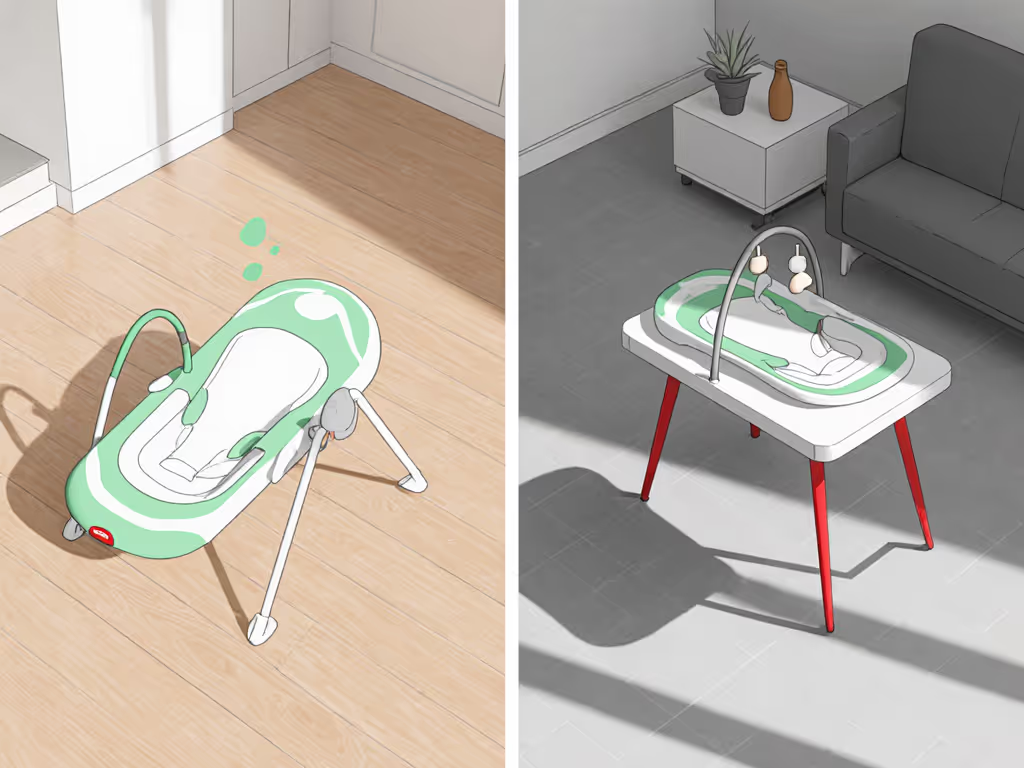
The dream of effortlessly carrying your baby between floors in a bouncer isn't worth the risk. True convenience comes from strategic placement that aligns with safety requirements, creating predictable routines that serve multiple children and owners. When you prioritize safety over supposed portability, you're not limiting convenience; you're investing in the quiet durability that makes multi-story living with baby sustainable, financially smart, and genuinely safe.
Related Articles